Drive-Thru Technology in 2026: Faster Lanes, Happy Guests
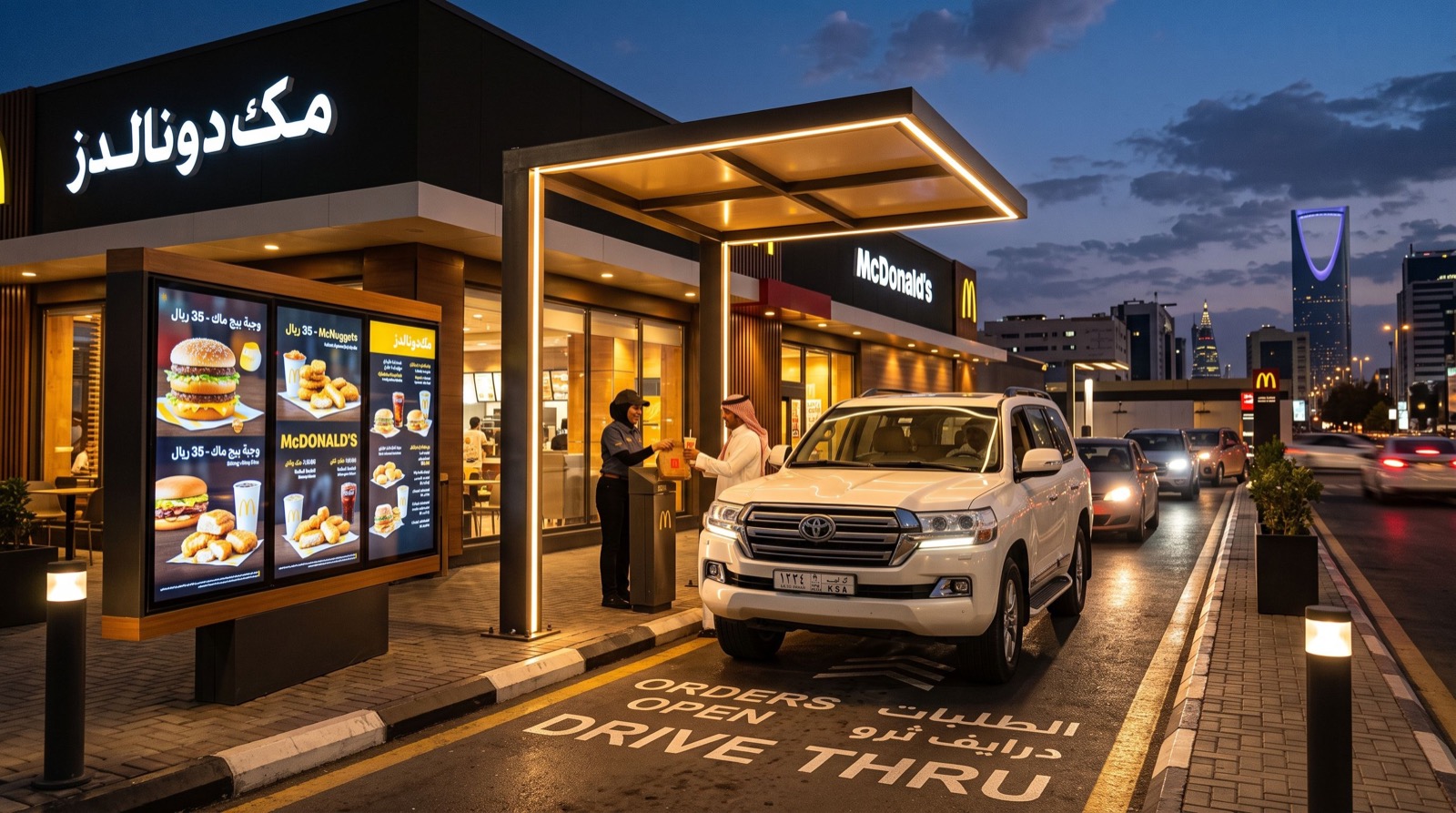
The drive-thru lane is now the profit engine of most quick-service restaurants, often carrying two-thirds of daily sales. Modern drive-thru technology decides whether that lane hums or jams during the lunch rush. In 2026, guests judge a brand by seconds, not minutes, and the tools behind the menu board have quietly become as important as the food itself.
This article breaks down the hardware, software, and workflow tweaks that shave real time off each order. Whether you run one location or fifty, the principles below scale.
Why Drive-Thru Technology Defines the Guest Experience
A slow lane does more than annoy one driver. It backs up onto the road, scares off passing traffic, and rattles the kitchen crew who feel every ticket pile up.
Speed of service directly correlates with repeat visits. Shaving even 20 seconds off average order time can lift throughput enough to add several cars per peak hour, which compounds across a year into meaningful revenue.
The three bottlenecks to watch
Most delays cluster at ordering, payment, and hand-off. Fixing all three at once beats optimising a single stage, because the slowest link always sets the pace of the whole lane.
The Core Stack Behind a Fast Lane
A high-performing lane blends several layers of hardware and intelligence. Purpose-built platforms such as PAR Drive Thru solutions bundle timers, headsets, and confirmation displays into one ecosystem so the pieces actually talk to each other.
- Order confirmation boards: show the guest their items to cut correction time.
- Vehicle detection loops: start the timer accurately for honest data.
- Digital menu boards: switch dayparts and promote high-margin items automatically.
- Wireless headsets: keep the crew mobile and audio clear over engine noise.
- Timer analytics: pinpoint which station drags the average down.
Building a Faster Lane, Step by Step
Technology alone will not rescue a poorly designed process. Pair the tools with a disciplined rollout for lasting gains.
- Baseline your current speed-of-service across three typical days.
- Install vehicle loops so every timer reading is trustworthy.
- Add a confirmation board to slash order-accuracy errors.
- Introduce a second order point or tandem lane at your busiest sites.
- Train crews on positional handoffs, not just station tasks.
- Review timer analytics weekly and coach to the slowest stage.
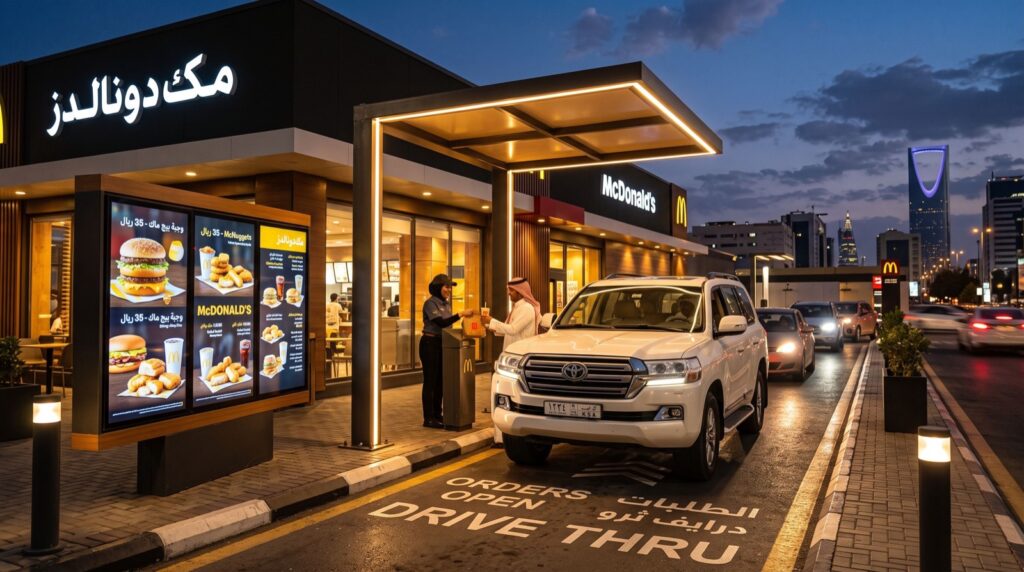
Brands scaling into the Gulf often align their lane tech with in-store systems, and many pair it with a queue management system in saudi arabia so counter and lane data live in one dashboard. That unified view keeps regional managers honest about performance.
How much faster can technology really make a lane?
Realistically, a full stack of confirmation boards, accurate timers, and coached crews trims 15 to 30 seconds off the average order. That may sound minor until you multiply it by thousands of cars a week.
Comparing Drive-Thru Upgrade Options
Different budgets unlock different gains. The table maps common upgrades against effort and impact so you can sequence spending wisely.
| Upgrade | Effort | Speed impact | Accuracy impact |
|---|---|---|---|
| Confirmation display | Low | Medium | High |
| Digital menu boards | Medium | Low | Medium |
| Vehicle detection timers | Low | Data only | Low |
| Tandem / dual lane | High | High | Medium |
| AI voice ordering | High | Medium | Variable |
Start with the low-effort, high-impact rows. Confirmation displays and honest timers usually deliver the quickest wins before you commit to expensive lane construction.
What the Data Tells You After Go-Live
Once the timers run, resist the urge to celebrate a single good day. Trends over two to four weeks reveal the real story of your lane.
Watch the gap between order time and total time. A fast order point paired with a slow window usually points to kitchen pacing or a handoff bottleneck rather than the menu board.
Turning reports into coaching
Numbers only help if they change behaviour. Post each shift’s speed-of-service on a crew board and celebrate improvement, not just raw speed, so quality never slips in the chase for seconds.
Segment your data by daypart too. The tactics that win breakfast, when orders are simple and repetitive, differ sharply from the complex, customised orders that dominate dinner. Managing each daypart on its own terms is where seasoned operators pull ahead.
Avoiding Common Rollout Mistakes
Operators frequently over-invest in flashy AI ordering before fixing basics like headset audio or menu-board glare. Sort the fundamentals first.
Another trap is ignoring the data. Timers generate rich reports, yet many managers never open them. Booking installation and training through reliable local experts ensures the analytics get configured properly from day one. For broader benchmarks, the National Restaurant Association publishes industry speed and satisfaction data worth measuring yourself against.
Where the Industry Is Heading
Drive-thru innovation is not slowing down. Predictive suggestive selling, licence-plate loyalty recognition, and dedicated mobile-order pickup lanes are moving from pilots to mainstream in 2026.
Loyalty integration is especially powerful. When a returning guest is recognised at the speaker post, crews can greet them by name and prompt their usual order, which lifts both speed and spend at once.
Preparing your lane for what comes next
Future-proofing starts with clean data and open integrations. Choose a platform that exposes its numbers rather than locking them away, so tomorrow’s AI or loyalty layer can plug in without a full rip-and-replace.
Equally, design your physical lane with flexibility in mind. Leaving room for a second order point or a dedicated pickup lane today saves an expensive rebuild when volume climbs next year.
Frequently Asked Questions
Is AI voice ordering worth it in 2026?
It can help during overnight or short-staffed shifts, but accuracy still varies by accent and background noise. Most operators see a stronger return from confirmation boards and crew coaching before adding AI voice.
How do vehicle detection loops improve service?
They timestamp each car precisely, so your speed-of-service numbers reflect reality rather than guesswork. Accurate data is the foundation for every other improvement you make.
Can drive-thru technology work for a single independent restaurant?
Absolutely. Entry-level headsets, a confirmation display, and a simple timer deliver outsized gains for independents, and modular systems let you add pieces as budget allows.
How long does installation take?
A standard single-lane upgrade is typically completed in one to two days, including headset pairing, board mounting, and crew training. Multi-lane or tandem builds require more planning and civil work.
Final Thoughts
Great drive-thru technology is invisible to the guest and obvious in the numbers. Fix the three bottlenecks, trust your timer data, and layer upgrades in order of impact rather than hype. Do that in 2026 and your busiest lane becomes your most reliable growth channel, one faster car at a time.