Business Warehouse Storage in Dammam: The 2026 Playbook
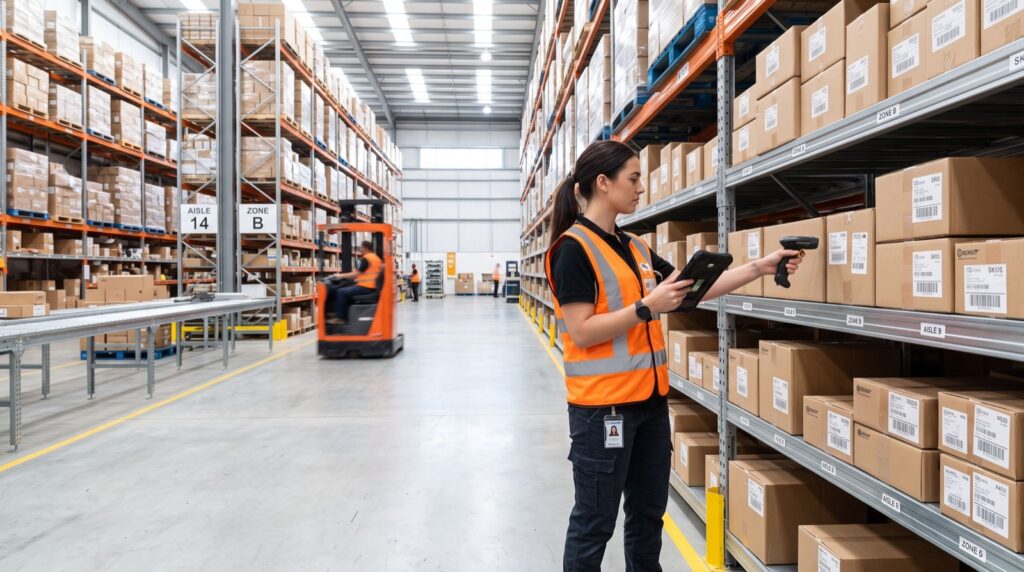
Business warehouse storage in Dammam is booming as the Eastern Province cements its role as Saudi Arabia’s industrial and logistics gateway. With the King Abdulaziz Port handling huge volumes of imports and exports, companies from retailers to manufacturers need flexible space to hold inventory close to the action. The challenge is choosing the right kind of storage without locking capital into a warehouse you may outgrow or barely fill.
This playbook breaks down how business storage works in Dammam, when to rent versus buy, and how to keep costs predictable while your operation scales.
Why Dammam Is a Strategic Storage Hub
Dammam sits at the heart of the Eastern Province, minutes from major highways that connect to Riyadh and onward across the Gulf. Its port access shortens the distance between arriving containers and your shelves, which lowers transport costs and reduces the time goods spend exposed to heat and handling.
For any company selling into the Kingdom, storing inventory here means faster fulfillment and fewer delays. That is exactly why demand for business warehouse storage in Dammam keeps climbing through 2026.
Common types of business storage
- Ambient warehouse space: for dry goods, packaged products, and general stock.
- Temperature-controlled space: for items sensitive to heat or humidity.
- Bulk pallet storage: racked positions for high-volume inventory.
- Overflow and seasonal space: short-term capacity for peak periods.
Most growing businesses need a mix. A homeware retailer might store furniture in ambient racking while keeping candles and cosmetics in cooler zones. Facilities offering scalable Ambient Storage in Dammam let you blend these needs under one agreement.
Rent or Buy? A Clear Comparison
One of the biggest decisions is whether to lease your own warehouse or rent managed storage. The answer usually comes down to volume, cash flow, and how steady your demand is.
| Factor | Own Warehouse | Managed Storage |
|---|---|---|
| Upfront cost | High | Low |
| Flexibility | Fixed footprint | Scale up or down |
| Staffing | You hire | Provider handles |
| Best for | Stable, large volume | Growing or seasonal demand |
For most small and mid-sized firms in 2026, managed storage wins on flexibility. You pay for what you use and avoid the fixed cost of an empty warehouse during slow months. Larger enterprises with steady throughput may still prefer owning, but even they often keep managed overflow space as a buffer.
Controlling Storage Costs
Storage spend can quietly balloon if you are not careful. A few disciplined habits keep it in check:
- Audit stock regularly: dead inventory eats space you are paying for.
- Use vertical racking: taller storage means fewer square metres rented.
- Match temperature to product: do not pay for cooling you do not need.
- Negotiate flexible terms: seasonal businesses should avoid rigid annual locks.
Some products, especially those sensitive to Dammam’s heat, still need cooler conditions. Pairing dry racking with dedicated Chilled Storage in Dammam ensures nothing degrades while it waits to ship. When relocating stock between sites, lean on trusted professionals to prevent damage in transit.
How much warehouse space does a business actually need?
A common mistake is renting too much space too early. Start by measuring your peak inventory, not your average, then add a modest buffer of around 15 percent for seasonal swings. Managed facilities make this easier because you can expand as orders grow rather than guessing years ahead. Reviewing your footprint every quarter keeps you from paying for empty aisles.
Building a Storage Strategy That Scales
The best storage setups grow with the business instead of holding it back. Based on years of watching companies scale in the Eastern Province, a few principles stand out.
- Keep fast-moving SKUs near loading doors to speed up dispatch.
- Standardize pallet sizes so racking stays efficient.
- Track inventory digitally to avoid over-ordering.
- Plan for peak seasons before they arrive, not during the rush.
Guidance from the International Trade Administration on Saudi trade underscores how central logistics infrastructure is to the Kingdom’s economic plans, which means efficient storage is a genuine competitive advantage, not just a back-office cost.
Security and Compliance in Warehouse Storage
When you hand inventory to a third party, security becomes a shared responsibility. The best facilities in Dammam treat it seriously, and you should confirm the details before committing. A well-run warehouse protects both your goods and your peace of mind.
- Access control: gated entry, logged visits, and restricted zones keep stock safe from theft.
- Surveillance: round-the-clock cameras deter tampering and provide a record if anything goes wrong.
- Fire safety: sprinkler systems and clear evacuation routes protect high-value inventory.
- Insurance: confirm what the provider covers and where your own policy needs to fill gaps.
Compliance also matters for regulated goods. Food, cosmetics, and certain industrial products carry storage and handling rules, and a professional facility should already meet them. Asking about documentation up front saves painful surprises during an audit later.
Choosing between short-term and long-term contracts
Another decision that shapes your costs is contract length. Short-term storage suits seasonal peaks, product launches, or a temporary overflow while you sort out permanent space. Long-term agreements usually earn better rates and give you a stable base for steady inventory.
Many growing companies blend the two. They hold a long-term core of pallet positions for reliable stock and layer short-term space on top during busy months. This hybrid approach keeps fixed costs low while still giving you room to breathe when orders surge. Review the mix each quarter, and you will rarely overpay for space you are not using.
Frequently Asked Questions
What is business warehouse storage?
It is dedicated space where companies hold inventory, equipment, or documents outside their main premises. Managed providers handle racking, security, and often loading, so businesses can store goods without operating their own warehouse.
Is managed storage cheaper than owning a warehouse?
For most small and growing businesses, yes. Managed storage removes upfront construction and staffing costs and lets you pay only for the space you use, which is far more efficient when demand fluctuates.
Can I store both dry and temperature-sensitive goods together?
Many facilities offer mixed zones, so you can keep dry goods in ambient racking and sensitive items in chilled areas under one agreement. This is ideal for businesses with varied product lines.
How quickly can I scale storage space up or down?
With managed storage, scaling is usually fast. Providers can add pallet positions or reduce your footprint within days, letting you respond to seasonal peaks without a long-term commitment.
Conclusion
Smart business warehouse storage in Dammam gives companies room to grow without draining capital. By choosing flexible managed space, matching each product to the right conditions, and auditing inventory regularly, you turn storage from a cost centre into a strategic asset. Whether you need ambient racking, chilled zones, or seasonal overflow, a scalable partner keeps your supply chain moving as fast as the Eastern Province itself.