The difference between arriving with intact glassware and a box of shards usually comes down to how well things were packed. Fragile items, from mirrors and chandeliers to electronics and heirloom china, need more than a quick wrap in newspaper. In 2026, as more residents move between the emirates each month, mastering the art of protective packing is what keeps a relocation from turning into an insurance claim.
This guide is a hands-on walkthrough of packing your belongings so they survive the journey. You will learn which materials matter, how to handle the trickiest items, and the small techniques professional crews use every day to deliver breakables without a scratch.
Packing fragile items the professional way
Professionals treat packing as a system, not a scramble. Every fragile item gets cushioning on all sides so it cannot touch another hard surface or the box wall, which is where most breakages happen.
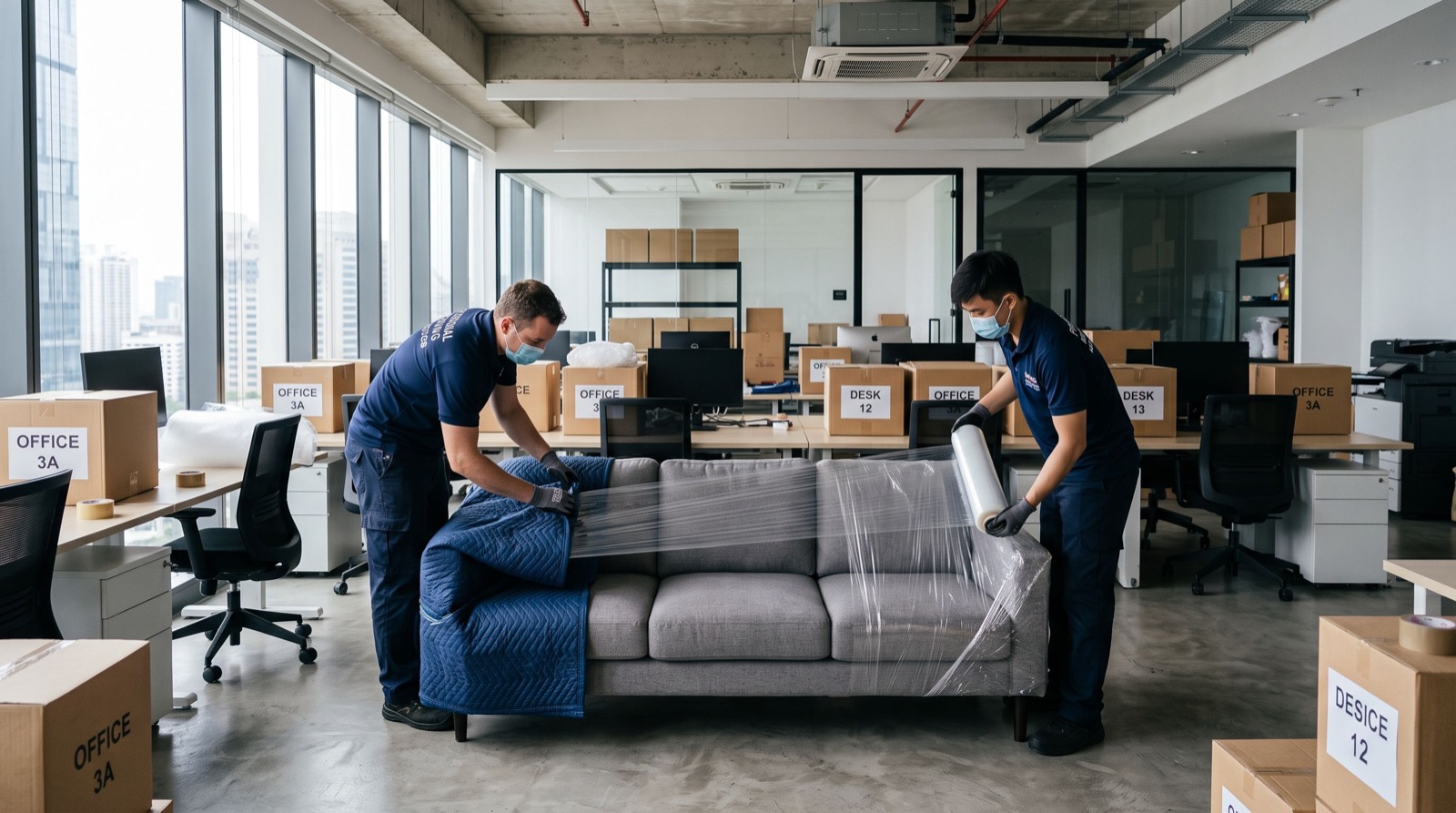
The right materials do most of the work. Skilled movers in International City carry bubble wrap, packing paper, foam corners, and sturdy double-walled boxes precisely because household newspaper and thin cartons simply do not protect valuables over a bumpy journey.
Why the box you choose matters most
A strong, correctly sized box is your first line of defence. Oversized boxes let items slide, while flimsy ones collapse under stacking. Match the box to the contents, fill every gap, and never leave empty space where breakables can shift in transit.
Essential packing materials checklist
Gather your supplies before you start so you never rush a fragile item because you ran out of wrap.
- Double-walled boxes in several sizes.
- Bubble wrap and foam sheets for cushioning.
- Plain packing paper to fill gaps and wrap crockery.
- Strong tape and a dispenser for fast, secure sealing.
- Corner protectors for mirrors, frames, and glass tops.
- Markers to label fragile boxes on every side.
Reputable furniture movers Sharjah arrive with all of this as standard, but if you pack yourself, buying quality materials is far cheaper than replacing broken belongings.
How to pack the trickiest items
Some items demand special handling. The table below shows how professionals approach the most commonly damaged pieces.
| Item | Key Risk | Packing Method |
|---|---|---|
| Glassware | Crushing | Wrap each piece, stand upright, fill gaps |
| Mirrors/frames | Cracking | Corner guards + flat, edge-on packing |
| TVs/electronics | Screen damage | Original box or foam-lined crate |
| Plates/china | Chipping | Wrap individually, pack vertically |
| Lamps/chandeliers | Bending | Remove bulbs, wrap arms separately |
Plates travel best standing on their edges like records, not stacked flat, because vertical plates resist pressure far better. This single trick prevents most crockery breakages.
A step-by-step fragile packing routine
Follow the same sequence for every delicate item and you will build a reliable, repeatable habit.
- Line the box base with a cushioning layer of crumpled paper or foam.
- Wrap each item individually so no bare surface is exposed.
- Place heavier items at the bottom and lighter ones on top.
- Fill every gap so nothing can shift when the box is moved.
- Seal firmly and label “Fragile — This Way Up” on all sides.
Handling delicate goods well is exactly why residents rely on experienced local team support for high-value moves. For added peace of mind on valuables, confirm your transit insurance scope, and review general consumer guidance on the official UAE Government portal.
Loading fragile boxes safely
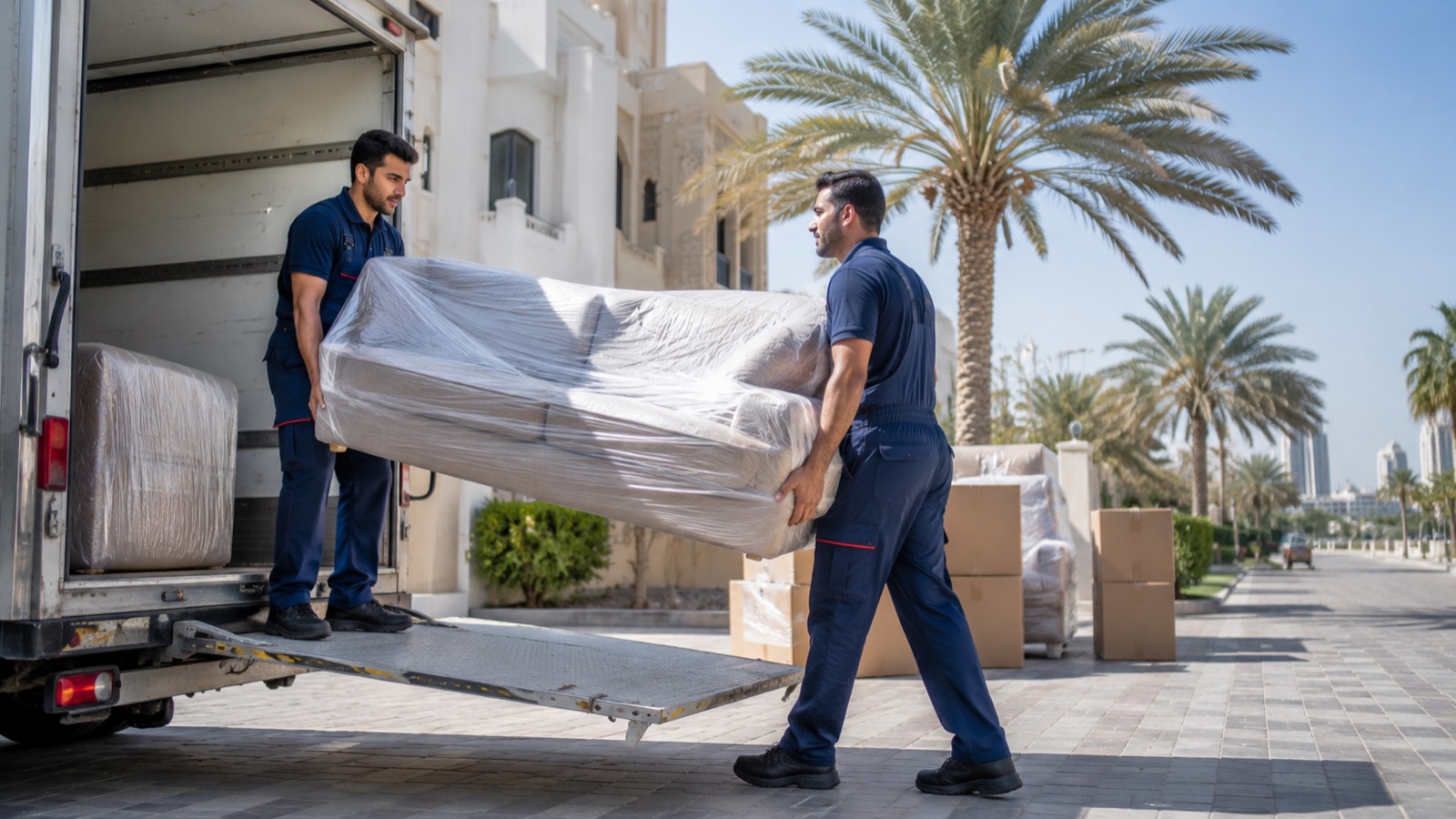
Packing is only half the job; how boxes are loaded matters too. Fragile boxes belong on top of heavier ones, never crushed beneath them, and should be wedged so they cannot slide during the drive.
Tell the crew which boxes hold breakables so they load and unload them with extra care. A clear label and a quick word prevent most avoidable accidents.
Room-by-room packing strategy
Packing the whole house at once feels overwhelming and leads to careless shortcuts. A room-by-room approach keeps you organised, so each box contains items from a single space and unpacking becomes logical rather than a treasure hunt.
Start with the rooms you use least, such as spare bedrooms and storerooms, and leave the kitchen and bathroom until near the end since you rely on them daily. The kitchen is usually the most fragile-heavy room in the house, packed with glassware, crockery, and appliances, so give it the most time and the best materials.
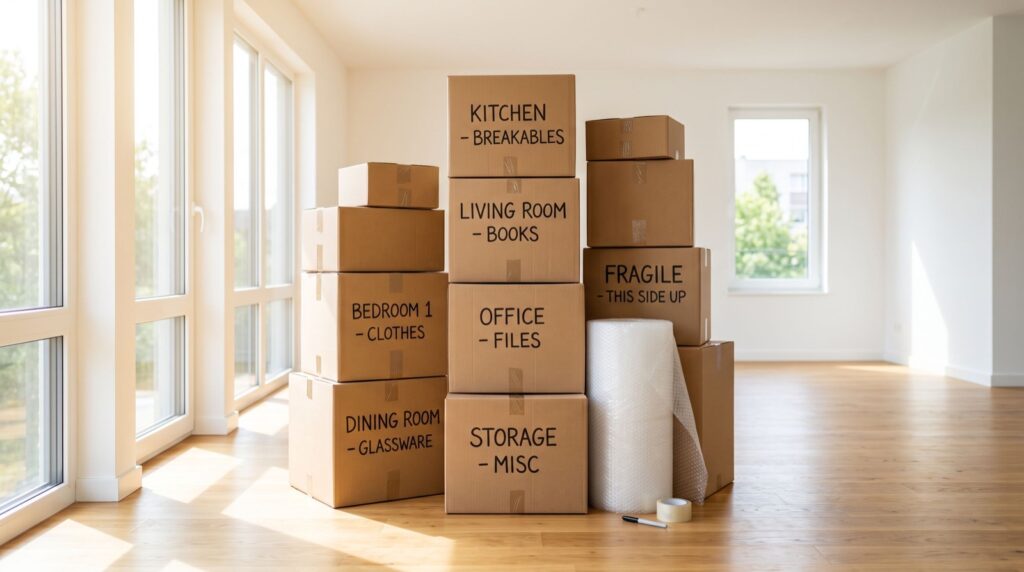
Label every box with its room and a short note of the contents. When the box marked “Kitchen — glasses, fragile” arrives, the crew knows to place it gently and you know exactly where it belongs. This small discipline saves hours at the other end.
- Pack low-use rooms first while energy and time are plentiful.
- Reserve the kitchen and bathroom for the final day.
- Group fragile items together and cushion them well.
- Keep a “first-night” box of essentials separate and easy to find.
Why you should not overload a box
A box crammed with heavy plates may feel efficient, but an overloaded carton can split, crush its contents, or injure the person lifting it. Keep heavier items in smaller boxes and lighter items in larger ones, so every box stays within safe carrying weight and its contents stay protected.
Insuring and inspecting your valuables
For irreplaceable or high-value items, confirm your transit insurance and note anything precious on your inventory before the move. On arrival, unwrap and inspect fragile boxes promptly so any concern is raised while the crew is still present and easy to resolve.
Keep a short list of your most valuable and sentimental pieces, and photograph them before they are packed. This record supports any insurance claim and gives you a clear checklist to confirm each treasured item arrived exactly as it left. A few minutes of documentation upfront is cheap insurance against the stress of a disputed or missing item later.
Frequently Asked Questions
What is the best way to pack glasses and cups?
Wrap each piece individually in paper or bubble wrap, stand them upright in a sturdy box, and fill all gaps so nothing shifts. Never stack unwrapped glasses directly on top of each other.
How do I protect a TV during a move?
Use the original box if you kept it, or a foam-lined crate if not. Photograph the cable setup, wrap the screen in soft material, and keep it upright throughout the move.
Should I pack fragile items myself or let movers do it?
For high-value or delicate items, professional packing is worth it because crews have the materials and technique. If you pack yourself, invest in quality supplies and follow a careful, methodical routine.
How do I stop plates from breaking in transit?
Wrap each plate individually and pack them standing on their edges rather than stacked flat. Vertical plates resist transit pressure far better and are much less likely to chip or crack.
Pack once, arrive intact
Protecting fragile items on moving day is all about the right materials, proven techniques, and careful loading. Wrap everything individually, fill every gap, and label boxes clearly so your breakables get the handling they deserve. When you want your valuables packed and moved by people who do this every day, reach out for a professional packing service and let your fragile treasures arrive exactly as they left.