Best Money Apps in 2026: Smarter Ways to Manage Your Money
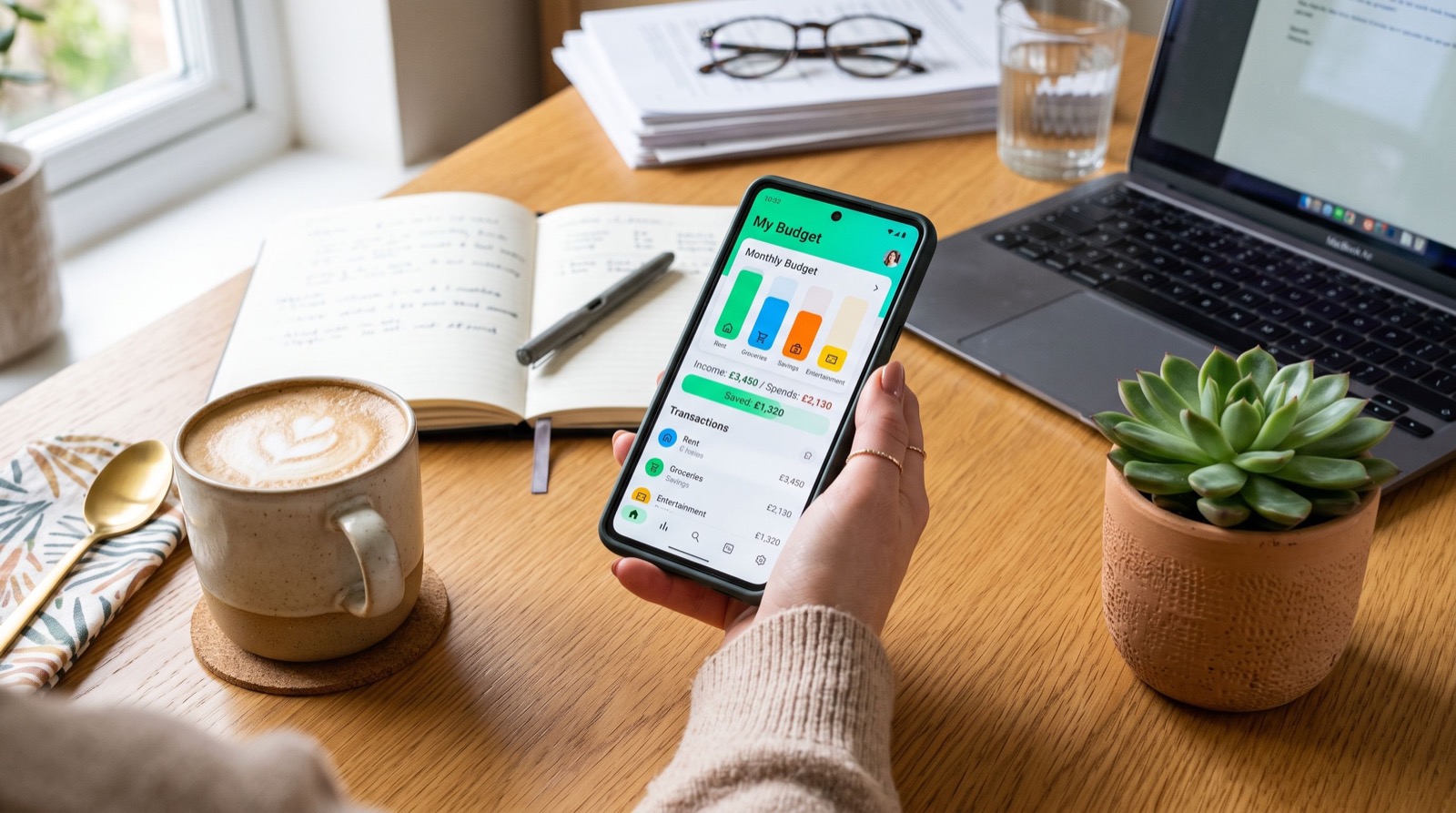
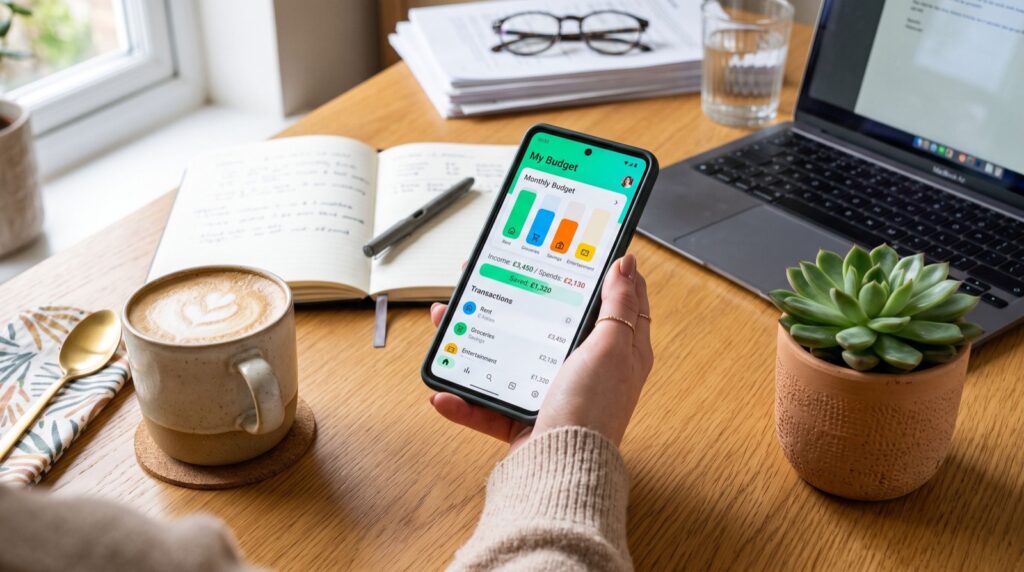
Your phone already holds your photos, messages, and maps. In 2026 it can also run your entire financial life. The best money apps turn a pocket device into a budgeting coach, a savings vault, and a mini investment desk that never sleeps. Used well, these tools help you spend with intention, save without thinking, and reach goals faster than a paper ledger ever could.
This guide breaks down the categories that matter, how to pick the right combination for your situation, and the habits that separate people who thrive from people who just download and forget. It is written for real users who want practical answers, not hype.
Why the Best Money Apps Beat Old-School Budgeting
Traditional budgeting fails because it relies on memory and willpower. You forget a coffee here, a subscription there, and by month-end the numbers no longer add up. Digital tools close that gap by syncing your accounts automatically and categorizing every transaction in seconds.
Automation is the real advantage. When an app rounds up spare change, moves a fixed amount to savings on payday, or flags a rising bill, you build wealth in the background. According to the U.S. Consumer Financial Protection Bureau, small automatic habits compound into meaningful balances over time — and software makes those habits effortless.
What features should a good money app include?
Look for clear spending categories, real-time balance syncing, bank-level encryption, and easy transfers. Bonus points for goal tracking, bill reminders, and a clean dashboard you actually enjoy opening. If an app feels confusing on day one, it will feel worse on day thirty.
The Main Categories of Money Apps
No single app does everything perfectly. Most people run two or three that each handle one job well. The reliable money apps reviewed by independent editors usually fall into the categories below.
| Category | What it does | Best for |
|---|---|---|
| Budgeting | Tracks spending, sets limits | People who overspend |
| Peer payments | Sends and receives cash instantly | Splitting bills, gig income |
| Automated saving | Round-ups and scheduled transfers | Anyone building a cushion |
| Micro-investing | Buys fractional shares | New investors starting small |
| Credit tracking | Monitors score and reports | Fixing or building credit |
Matching the category to your biggest weakness gives you the fastest results. If overspending is the problem, start with budgeting. If you never save, start with automation.
How to Choose the Right App for You
Skip the “top 50” lists and focus on your own habits. A quick self-audit beats any ranking. Follow this simple sequence before you download anything.
- Name your single biggest money frustration in one sentence.
- Pick the category above that solves exactly that problem.
- Check that the app uses encryption and is backed by an FDIC-insured partner bank.
- Read recent 2026 reviews for hidden fees or sync issues.
- Test the free tier for two weeks before paying for premium.
When you compare finalists, weigh these practical factors:
- Security: Two-factor login and biometric unlock are non-negotiable.
- Fees: Watch for instant-transfer charges and monthly subscriptions.
- Coverage: Confirm the app connects to your specific bank.
- Support: Real human help beats a chatbot when money is stuck.
- Exportability: You should be able to download your own data.
Are money apps safe to link to my bank account?
Reputable apps use encrypted, read-only connections and never store your banking password directly. Still, protect yourself: enable two-factor authentication, use a unique passcode, and review linked apps every few months. If you feel overwhelmed by the setup, an experienced local team or a trusted friend can walk you through it safely.
Building a Simple App Stack That Works
From coaching everyday users, one truth stands out: fewer apps, used consistently, beat a crowded home screen you ignore. A lean, three-app stack covers almost everyone.
Start with one budgeting app to see where money goes. Add one automated-saving tool to build a cushion without effort. Finish with one peer-payment app for daily life. That trio handles roughly ninety percent of a normal financial routine.
Solid personal finance tips also remind us that tools only amplify behavior. An app cannot stop you from ignoring alerts, so pair technology with a weekly five-minute check-in. Open each app, glance at the numbers, and adjust before small leaks become floods.
How many money apps do I actually need?
Two or three is the sweet spot for most people. One for budgeting, one for saving, and one for payments. More than that and you spend energy managing apps instead of managing money.
Common Mistakes to Avoid in 2026
The biggest error is downloading and drifting. An app you never open cannot help you. The second mistake is chasing every new fintech trend instead of mastering one reliable tool. The third is ignoring fees that quietly nibble your balance — instant cash-out charges add up fast when used daily.
One practical tip pays for itself immediately: turn on push notifications for transactions above a threshold you set, such as fifty dollars. That single toggle catches fraud early and keeps impulse spending honest.
Another overlooked trap is subscription creep. Streaming services, apps, and memberships renew silently until they quietly drain a real chunk of your income. Use a money app that flags recurring charges, then cancel anything you have not used in the past month. A five-minute audit often frees up more cash than a week of skipped coffees.
Finally, resist the urge to check investing apps every day. Constant monitoring tempts you into panic selling when markets dip. Set your automations, glance at the big picture weekly, and let long-term tools do their job without emotional interference.
Frequently Asked Questions
What are the best money apps for beginners?
Start with a straightforward budgeting app and one automated-saving tool. Beginners benefit most from seeing where money goes and building a cushion, so avoid complex investing platforms until those basics feel comfortable.
Do money apps cost money to use?
Many offer solid free tiers, while premium plans unlock extra features for a monthly fee. Always test the free version first, and only upgrade once a feature clearly saves you more than it costs.
Can money apps help me get out of debt?
Yes. Budgeting apps reveal spending leaks, while debt-payoff tools map a clear order for tackling balances. Pair the app with a consistent extra payment each month and progress becomes visible fast.
Is it safe to keep a balance inside a money app?
Balances held with an FDIC-insured partner bank enjoy standard deposit protection, but app wallets are best for spending money, not long-term savings. Keep large sums in an insured savings account and use the app for day-to-day flow.
Conclusion
The best money apps in 2026 do not just track dollars — they change behavior by making good decisions the default. Pick tools that match your real weaknesses, keep the stack lean, and review the numbers weekly. Do that consistently and your phone becomes the most powerful financial ally you own. Ready to take control? Explore trusted reviews, choose one app today, and let automation start building your future while you sleep.